Finding the Right Manufacturing Partner Beyond Price and Product Photos
For jewelry brands, picking the right manufacturer ranks among the most critical decisions during product development. This article covers 5 questions to ask your jewelry manufacturer to guide your supplier selection.
A qualified jewelry manufacturing partner does far more than keep your production on track. It directly shapes four core business outcomes:
‑ Product quality
‑ Development efficiency
‑ Production consistency
‑ Long‑term brand growth
Many brand buyers start supplier screening by looking at a short list of practical factors:
‑ Price
‑ MOQ (Minimum Order Quantity)
‑ Product sample photos
‑ Lead time
Yet these metrics alone cannot show you a manufacturer’s true production capabilities.
A professional jewelry manufacturer is not merely a factory that follows your design briefs. It should help brands resolve development obstacles and deliver practical manufacturing expertise.
For this reason, brands need to raise targeted questions before finalizing any manufacturing partnership.
Why Should Brands Evaluate Jewelry Manufacturers Before Cooperation?
Jewelry goods work differently from general consumer products.
Turning a jewelry concept into sellable finished goods goes through several key phases:
‑ Design confirmation
‑ CAD development
‑ Sampling
‑ Manufacturing optimization
‑ Mass production
‑ Quality inspection
Mistakes made at any phase may trigger negative results:
‑ Higher product costs
‑ Delayed time to market
‑ Damaged brand reputation
Choosing a suitable manufacturer from the start reduces production risks and improves overall project efficiency.
5 Questions to Ask Your Jewelry Manufacturer
Question 1: Do You Support OEM and Custom Jewelry Development?
Many brands reach out to factories with one simple question:
“Can you produce this item?”
For long‑term collaboration, however, another question carries greater weight:
“Can you support complete product development?”
A competent OEM manufacturer should offer these services:
‑ CAD design support
‑ Product structure optimization
‑ Process recommendations
‑ Sample development
Some designs look impressive in renderings. Still, they may run into real‑world manufacturing troubles:
‑ Unstable physical structures
‑ Poor suitability for mass‑scale production
‑ Prohibitively high production costs
Experienced manufacturers can flag these potential issues before production commences.

Question 2: What Is Your Minimum Order Quantity (MOQ)?
MOQ serves as one major reference when brands select suppliers.
Brands in different growth stages hold different MOQ expectations.
‑ Startup brands: They often require small‑batch orders to test market response and lower inventory risks.
‑ Established brands: They focus on large‑volume production capacity and stable supply output.
Clarifying MOQ helps brands judge whether a manufacturer fits their current business stage.
Question 3: What Is Your Sample Development Process?
Sampling builds the vital bridge between design concepts and formal mass production.
Brands need to get clear answers on these items:
‑ Sample lead time
‑ Revision workflow
‑ Cost confirmation method
‑ Final confirmation criteria
A professional manufacturer can walk you step‑by‑step through the whole workflow from design files to finished samples.
Clear communication helps you cut down common pain points:
‑ Miscommunication between both parties
‑ Repeated sample revisions
‑ Wasted development hours
Question 4: How Do You Control Quality During Mass Production?
A well‑made sample cannot guarantee consistent quality across bulk orders.
Brands need to verify whether the manufacturer has in place:
‑ Standard production workflows
‑ Complete quality inspection system
‑ Clear product inspection standards
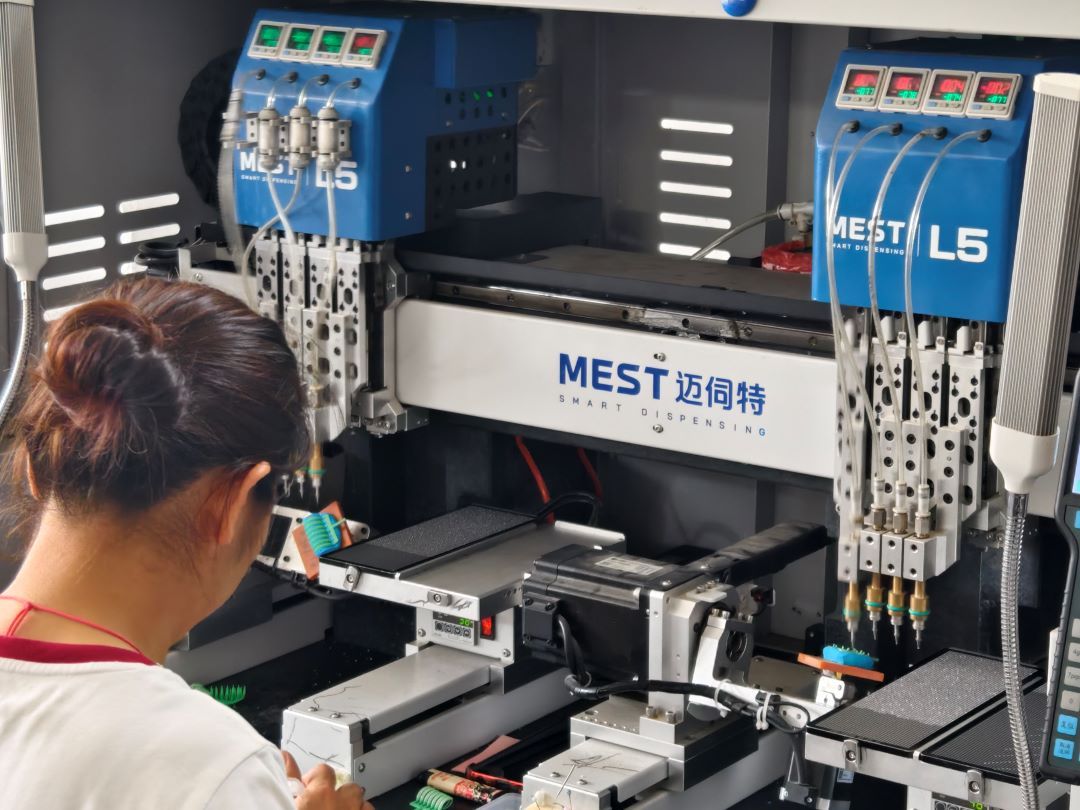
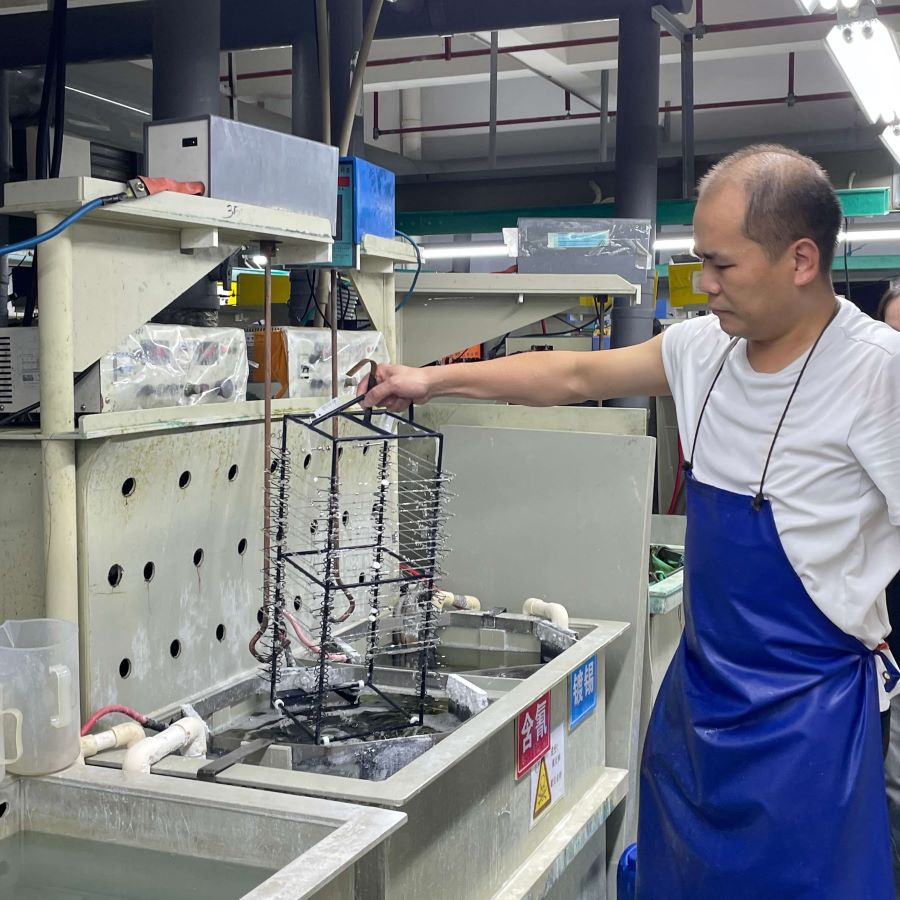
Jewelry manufacturing includes multiple complex operations: wax injection, casting, file and finishing, polishing, stone setting, electroplating, quality inspection.
A solid quality‑control system lays essential groundwork for your brand’s long‑term sales performance.
Question 5: What Is Your Production and Delivery Capability?
Dependable delivery performance matters greatly for jewelry brands.
Brands should seek information about:
‑ Production lead time
‑ Order management rules
‑ Overall production capacity
‑ Proven past delivery track record
An unstable supply chain may bring about serious consequences:
‑ Delayed new‑product launch
‑ Missed sales seasons
‑ Increased operating costs
Benefits of Asking These Questions Before Choosing a Manufacturer
Reduce Cooperation Risks
Early supplier evaluation lets brands avoid common pitfalls: unproducible designs, inconsistent product quality and project delays.
Improve Product Development Efficiency
Working alongside an experienced manufacturer minimizes unnecessary work: back‑and‑forth communication, revision costs and total development time.
Build Long‑Term Partnerships
Top‑tier manufacturers do more than finish your purchase orders.
They can back new collection development, share professional advice and support continuous brand growth.
Step‑by‑Step Guide to Choosing a Jewelry Manufacturer
Step 1: Define Your Product Requirements
Sort out your basic requirements, including product type, material requirements, order quantity and target market.
Step 2: Review Manufacturer Experience
Focus your background check on three key points:
‑ Have they manufactured similar jewelry pieces before?
‑ Do they possess solid OEM experience?
‑ Have they served brands comparable to yours?
Step 3: Understand Development Process
Confirm available resources: CAD support, sample service and design‑optimization capability.
Step 4: Start With Sample Development
Test your potential partnership in the sampling phase. Evaluate communication efficiency, professional standards and finished‑sample quality.
Step 5: Evaluate Long‑Term Potential
When assessing long‑term cooperation, pay attention to consistent product quality, reliable delivery and ongoing technical support.
Practical Results From Manufacturing Partnerships
Case Study 1: Helping a Brand Optimize a New Jewelry Collection
One jewelry brand planned to release a brand‑new S925 sterling silver jewelry collection.
Its original design had noticeable drawbacks: complex structures and relatively high production costs.
Our manufacturing team provided targeted solutions: CAD optimization, process adjustment and practical material suggestions.
Result: This collection lowered development risks and moved smoothly into mass production.
Case Study 2: Improving Production Stability for Long‑Term Orders
A brand needed ongoing bulk purchases covering multiple jewelry collections.
Both sides set unified product standards, explicit quality requirements and standardized communication workflows.
Result: Batches of finished goods achieved better consistency, while replenishment efficiency also improved.
Conclusion
Choosing the Right Jewelry Manufacturer Starts With Asking the Right Questions
Sourcing a jewelry manufacturer is not simply finding a factory that can produce goods.
A manufacturing partner fit for long‑term brand growth needs these strengths: OEM & ODM development capability, solid professional manufacturing experience, strict consistent quality control and reliable delivery capacity.
By going through 5 questions to ask your jewelry manufacturer ahead of time, brands can reduce supply‑chain risks and locate a trustworthy jewelry manufacturing partner to support long‑term business growth.
Leiyuan Jewelry provides S925 sterling silver OEM/ODM manufacturing solutions. We support jewelry brands throughout the full journey, from product development all the way to mass production.