
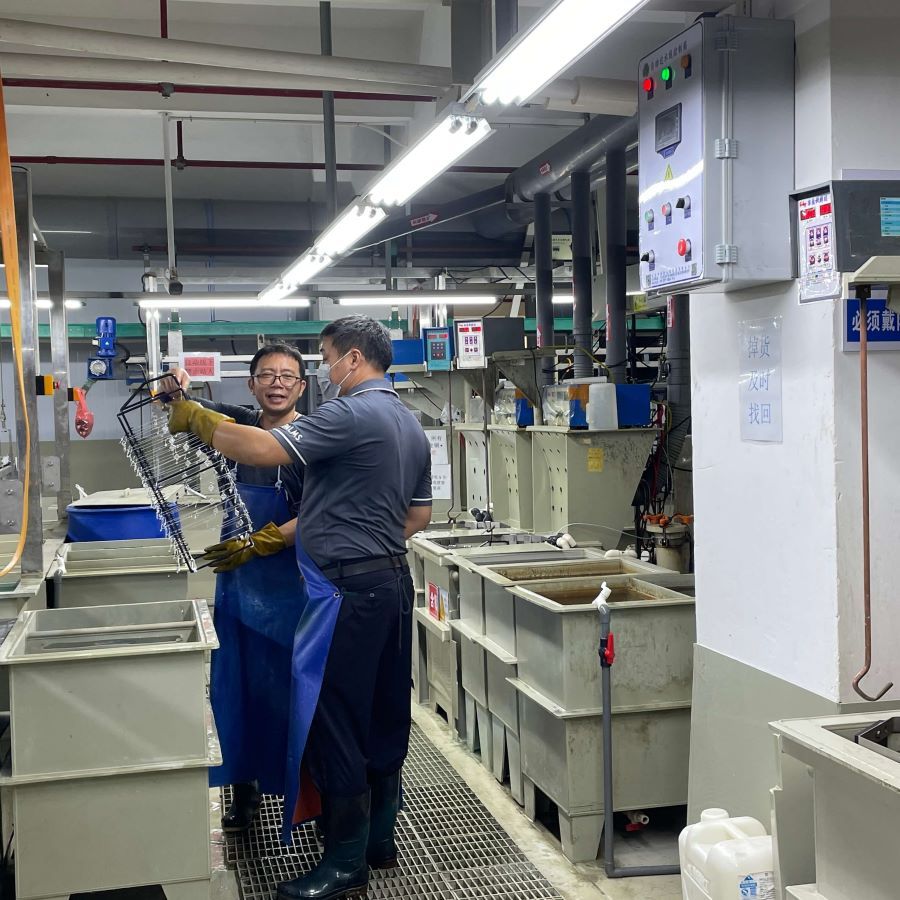
If you want to know how to evaluate a jewelry manufacturer, you should not only compare prices but also check its real production strength.
The success of a jewelry project depends on:
•Product development capability
•Ability to transform designs into real products
•Mass production consistency
•Quality control system
Many brands focus on pricing, product photos, or delivery time when selecting a jewelry manufacturer. However, these factors only show part of the manufacturer’s capability.
A reliable jewelry manufacturer needs a combination of design understanding, craftsmanship experience, and mass production capability.

What Is Real Jewelry Manufacturing Capability?
Many people believe:
Having production equipment means having manufacturing capability.
However, jewelry manufacturing capability involves much more than equipment.
A professional jewelry manufacturer should have:
1.Product Development Capability
A capable manufacturer does not only produce jewelry but also supports product development.
Including:
- CAD design optimization
- Structural adjustment
- Process recommendations
- Sample development
Many designs look perfect in drawings but may face problems during manufacturing: - Structure cannot be realized
- Gemstones cannot be set securely/stably
- Cost exceeds expectations
Manufacturing experience helps identify these problems before production.
2.Manufacturing Process Capability
Jewelry production involves multiple processes:
- Casting
- Filing
- Polishing
- Stone Setting
- Plating
- Quality Inspection
Each process needs to work together smoothly.
A problem in one stage can affect the final product quality.
3.Mass Production Capability
A successful sample does not always mean successful mass production.
Brands need:
The first piece and the 1000th piece maintain consistent quality.
This requires:
- Standardized production process
- Skilled craftsmanship team
- Comprehensive QC system
Two Common Questions When Choosing a Jewelry Manufacturer
Question 1: Why Should Brands Not Choose a Manufacturer Only Based on Price?
Price is an important factor, but it should not be the only consideration.
A very low price may indicate:
•Different material standards
•Limited craftsmanship investment
•Weak quality control
Brands should consider:
Is the product quality consistent?
Can the manufacturer solve problems efficiently?
Is the long-term cooperation cost lower?
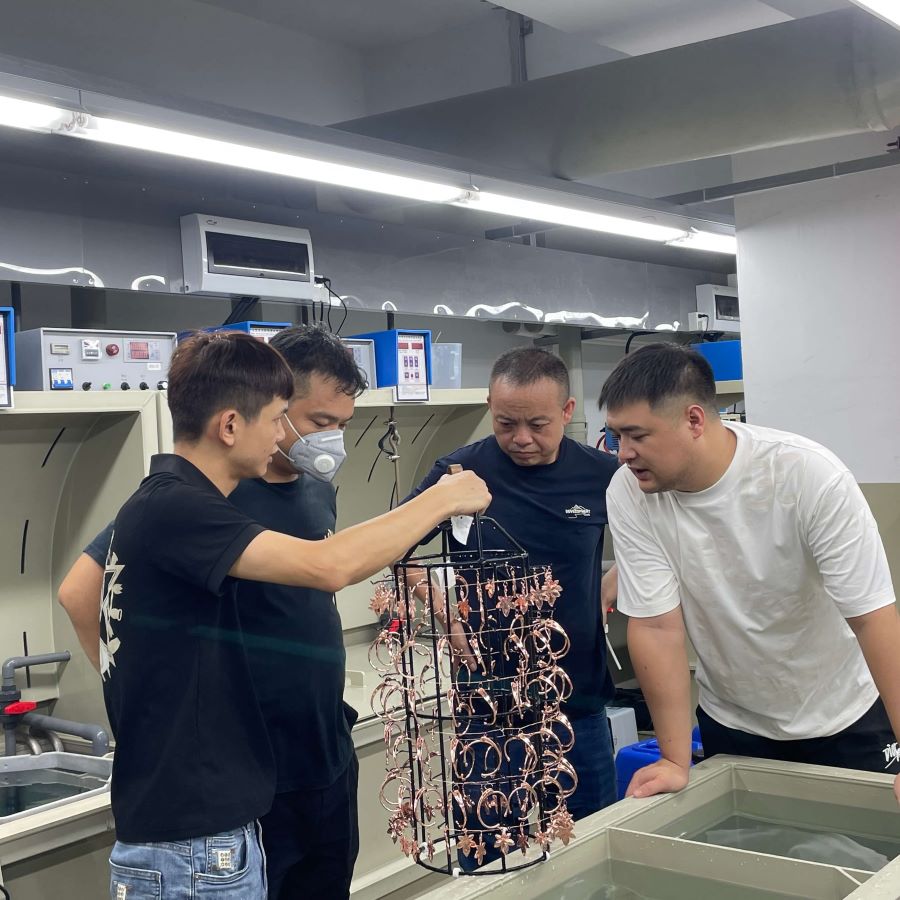
Question 2: How Can Brands Verify a Jewelry Factory’s Real Capability?
Brands can evaluate manufacturers through:
Review development cases
Check whether the manufacturer has experience with similar products.
Understand production process
A professional factory should explain:
- Product development process
- Sample process
- QC standards
Evaluate communication
A reliable manufacturer should:
- Understand requirements
- Provide professional advice
- Solve problems quickly
Benefits of Evaluating Jewelry Manufacturing Capability
Reduce Product Development Risks
Understanding manufacturing capability early can reduce:
- Design cannot be produced
- Repeated sample revisions
- Extended development cycle
Improve Product Launch Efficiency
Professional manufacturers help brands:
- Optimize design
- Shorten development time
- Improve sample success rate
Ensure Long-Term Supply Stability
For growing jewelry brands, stable supply is more valuable than one-time low pricing.
Reliable manufacturers support:
- Continuous new product development
- Stable replenishment
- Product upgrades
How to Evaluate a Jewelry Manufacturer Step by Step?
Step 1: Check Product Development Capability
Check:
- Do you provide CAD support?
- Can the design be optimized?
- Do you have sample development experience?
Step 2: Review Manufacturing Process
Focus on:
- Is the production process complete?
- Is there dedicated quality inspection?
- Are there standard procedures?
Step 3: Evaluate Sampling Capability
During sampling, check:
- Is communication smooth?
- Are revision suggestions professional?
- Does the final result meet expectations?
Step 4: Verify Mass Production Capability
Ask about:
- Production experience
- Order management approach
- Quality control methods
Step 5: Build a Long-Term Cooperation Test
Start with:

- Small-batch orders
- New product development projects
Evaluate: - Product consistency
- Delivery capability
- Communication efficiency
Real Manufacturing Examples
Case Study 1: Optimizing a Complex Ring Development
Customer requirement:
Develop a multi-stone setting ring.
Challenge:
The original design had challenges for mass production.
Solution:
The manufacturing team helped with:
- CAD structure optimization
- Setting method adjustment
- Process improvement
Result:
The product successfully moved from development into stable production.
Case Study 2: Building Long-Term Manufacturing Partnership
Customer requirement:
Develop multiple sterling silver collections.
Solution:
Through:
- Standardized production process
- Product documentation management
- Quality control system
Result:
Improved development efficiency and maintained product consistency.
Conclusion: Choosing a Jewelry Manufacturer Means Choosing the Future of Your Products
For jewelry brands, a great manufacturer does more than produce jewelry. It becomes a partner in brand growth.
When evaluating a jewelry manufacturer, brands should focus on: - Development capability
- Manufacturing experience
- Quality system
- Long-term cooperation capability
Only manufacturers with complete capabilities can transform creative ideas into reliable, high-quality commercial jewelry products.
At Leiyuan Jewelry, we provide S925 sterling silver OEM/ODM solutions, supporting global jewelry brands from product development to mass production.